Empowering Health, Defending Wellness

Address:

Yashoda Medicity, Indirapuram & Yashoda Hospital, Kaushambi

New Treatment Options for Complicated Urinary Tract Infections (UTIs)

Urinary tract infections (UTIs) are among the most common infections encountered in clinical practice, but when they become complicated—due to structural abnormalities, catheter use, drug resistance, or immunocompromised states—the treatment becomes more challenging.

Fortunately, advances in medical research have led to several new and effective treatment options for patients battling complicated UTIs.

🧬 What is a Complicated UTI?
A UTI is considered “complicated” when it occurs in a host with factors that increase the risk of treatment failure. These include:

  • Recurrent or drug-resistant infections
  • Anatomical abnormalities of the urinary tract
  • Indwelling catheters
  • Diabetes or immunosuppression
  • Male patients and pregnant women
  • Associated kidney infections (pyelonephritis)

💊 Latest Treatment Options

1. New-Generation Antibiotics
Several newer antibiotics have been approved in recent years specifically targeting multidrug-resistant (MDR) pathogens in complicated UTIs.

  • Cefiderocol : A siderophore cephalosporin that can treat carbapenem-resistant Enterobacterales (CRE). It uses iron uptake pathways to enter bacterial cells.
  • Plazomicin : An aminoglycoside antibiotic effective against ESBL- and CRE-producing bacteria.
    Meropenem-vaborbactam & Imipenem-relebactam : Carbapenem combinations that enhance activity against MDR organisms.

These agents are typically reserved for severe or hospital-acquired UTIs where resistance is confirmed.

2. Oral Antibiotic Options for Resistant UTIs
For stable patients who need outpatient treatment, new oral options are improving outcomes:

  • Fosfomycin Tromethamine (3g sachets) : Effective even against some ESBL-producing bacteria.
  • Pivmecillinam : Widely used in Europe, now gaining traction elsewhere for treating resistant strains.

3. Non-Antibiotic Supportive Therapies
Intravesical antibiotics (administered directly into the bladder) are being used for chronic infections resistant to oral therapy.

Phage Therapy : Still under research, this uses bacteriophages (viruses that kill bacteria) and has shown promise in treating chronic UTIs caused by MDR bacteria.

🧫 Importance of Proper Diagnosis
For complicated UTIs, culture-based diagnosis is critical. Empirical antibiotics often fail due to resistance. An infectious disease specialist plays a crucial role in:

  • Choosing appropriate antibiotics based on sensitivity
  • Managing comorbidities and risk factors
  • Preventing recurrence through long-term care plans

🩺 When to See a Specialist
You should consult a specialist if:

  • You’re having recurrent UTIs
  • Symptoms persist despite treatment
  • You have a catheter, kidney stone, or urinary abnormality
  • You are immunocompromised or diabetic
IBD vs Intestinal Tuberculosis: The Role of the Infectious Disease Specialist

Intestinal Tuberculosis (TB) and Inflammatory Bowel Disease (IBD) are two conditions that can appear strikingly similar in clinical presentations, making diagnosis a challenging process. Differentiating between these two is crucial, as their treatments are entirely different—and a wrong diagnosis can lead to harmful outcomes.

Similar Symptoms, Different Causes

IBD, which includes Crohn’s disease and ulcerative colitis, is an autoimmune condition where the body attacks its own gut lining. Intestinal TB, on the other hand, is a bacterial infection caused by Mycobacterium tuberculosis affecting the gastrointestinal tract.

Common symptoms of both include:

  • Chronic abdominal pain
  • Diarrhea or altered bowel habits
  • Weight loss
  • Low-grade fever
  • GI bleeding

Despite these similarities, the underlying pathology is very different, which is why the expertise of an Infectious Disease (ID) Specialist is essential.

Why Infectious Disease Evaluation is Key

An ID specialist is trained to detect signs of chronic infections like TB that may mimic autoimmune diseases. They conduct targeted investigations including:

  • PCR testing or GeneXpert for TB DNA
  • Histopathology from biopsies
  • Mantoux (Tuberculin) tests and IGRA (Interferon Gamma Release Assays)
  • Radiological imaging (e.g., CT, MRI)

A thorough infectious workup can prevent the dangerous consequence of misdiagnosing intestinal TB as IBD and wrongly starting immunosuppressants, which can allow TB to disseminate.

  • Treatment: A Delicate Balance
  • Intestinal TB is treated with a full course of Anti-Tubercular Therapy (ATT) for 6–9 months.

IBD often requires long-term immunosuppression (steroids, biologics, etc.).

Starting immunosuppressive treatment in a patient with undiagnosed TB can be fatal. Hence, ruling out TB thoroughly before initiating IBD treatment is a standard recommendation, especially in endemic countries like India.

Clinical Clues That Favor TB Over IBD:

  • History of TB exposure or past TB
  • Presence of lung lesions on chest X-ray
  • Shorter duration of illness
  • Involvement of the ileocecal region
  • Presence of caseating granulomas on biopsy

When to Consult an Infectious Disease Specialist

  • When dealing with unexplained chronic GI symptoms
  • When biopsy shows granulomas or features that are not classic for IBD
  • Before starting immunosuppressive treatment in suspected IBD
  • If there is a lack of response to standard IBD therapies

Remember: Not all granulomatous colitis is IBD—some are TB.

Consult an infectious disease expert to avoid misdiagnosis and ensure safe, effective treatment.
👩‍⚕️ Dr. Chhavi GuptaMBBS, MD, DM (AIIMS, New Delhi)Senior Consultant – Infectious Diseases📍 Yashoda Super Speciality Hospital, Kaushambi📞 For Appointments: +91 8851 346 424🌐 drchhavigupta.com

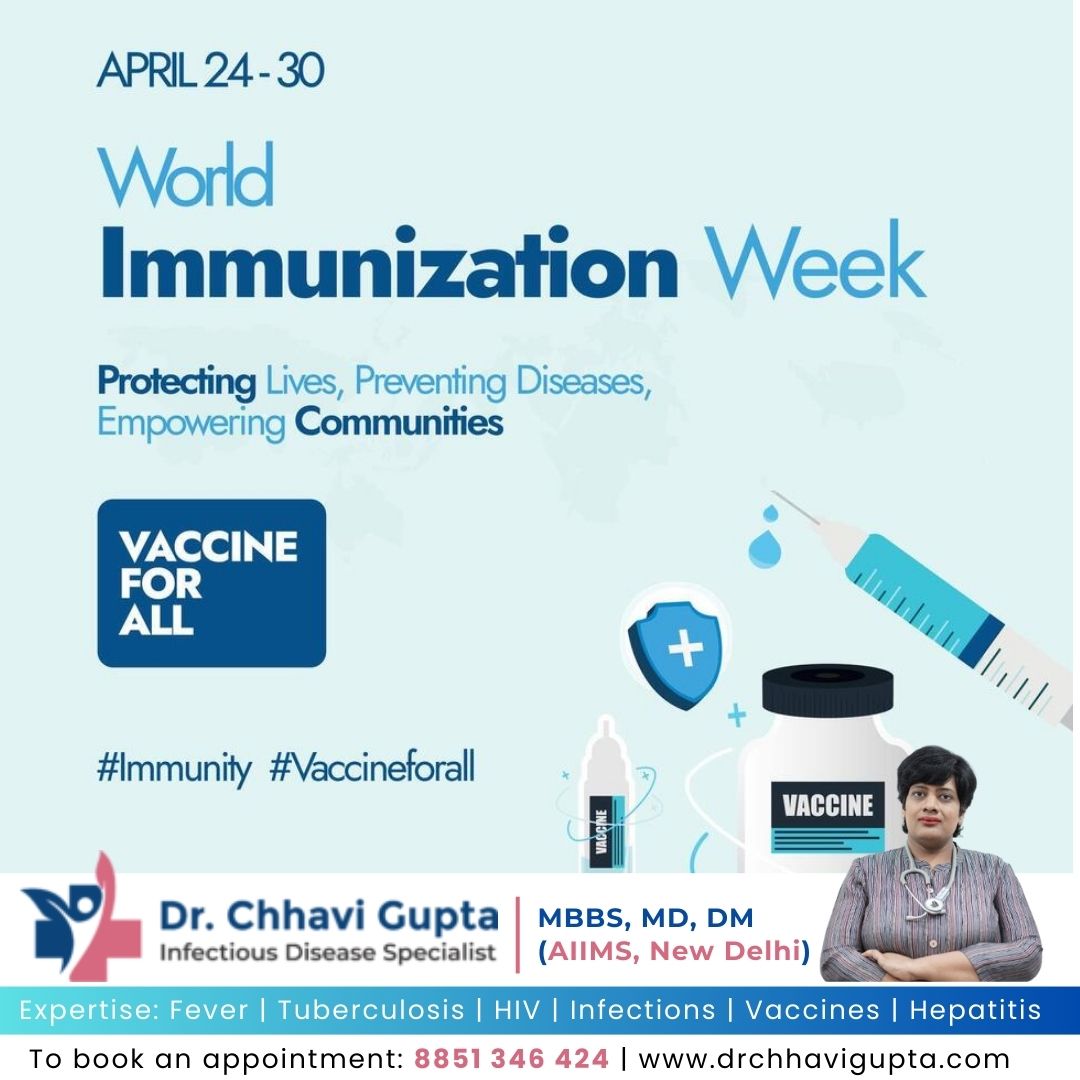
Protecting Lives Through Prevention: World Immunization Week 2025

Vaccines are one of humanity’s most powerful tools—quietly and effectively saving lives for decades. This World Immunization Week, we come together to celebrate the impact of vaccines and call for continued efforts to reach everyone, everywhere, with life-saving immunizations.

A Legacy of Lives Saved

Over the last 50 years, vaccines have saved at least 154 million lives—that’s six lives every minute, around the clock, for half a century.

These essential tools of prevention have transformed global health. Immunization alone has contributed to 40% of the improvement in infant survival, and today, more children reach their first birthday than ever before in human history.

The measles vaccine, in particular, stands out—accounting for 60% of all lives saved through immunization.

Building on Progress

The future of immunization lies not only in sustaining past achievements but also in expanding protection to all age groups:

  • Newborns are safeguarded through the National Immunization Programme, which includes vital vaccines like BCG, OPV, Hepatitis B, and more, to give them the best start in life.
  • Pregnant women receive tetanus and pertussis vaccines to protect both themselves and their unborn babies.
  • Older adults benefit from vaccines against influenza, pneumococcal disease, and shingles (Shingrix)—protecting them from serious complications and hospitalizations.

A Global Commitment

The theme of World Immunization Week 2025, “Immunization for All is Humanly Possible”, is a rallying cry. It acknowledges the enormous efforts made by governments, healthcare workers, scientists, aid agencies, and parents to bring us to this point—a world free of smallpox and on the verge of eliminating polio.

Yet today, we face new challenges. Misinformation, vaccine hesitancy, and global crises threaten hard-won progress. Now is the time to renew our commitment, strengthen healthcare systems, and invest in equity—so no one is left behind.

Less Disease, More Life

Vaccines are living proof that health equity is achievable, that less disease and more life is possible when we work together. This World Immunization Week, let’s show the world that with determination, unity, and compassion—immunization for all is truly humanly possible.

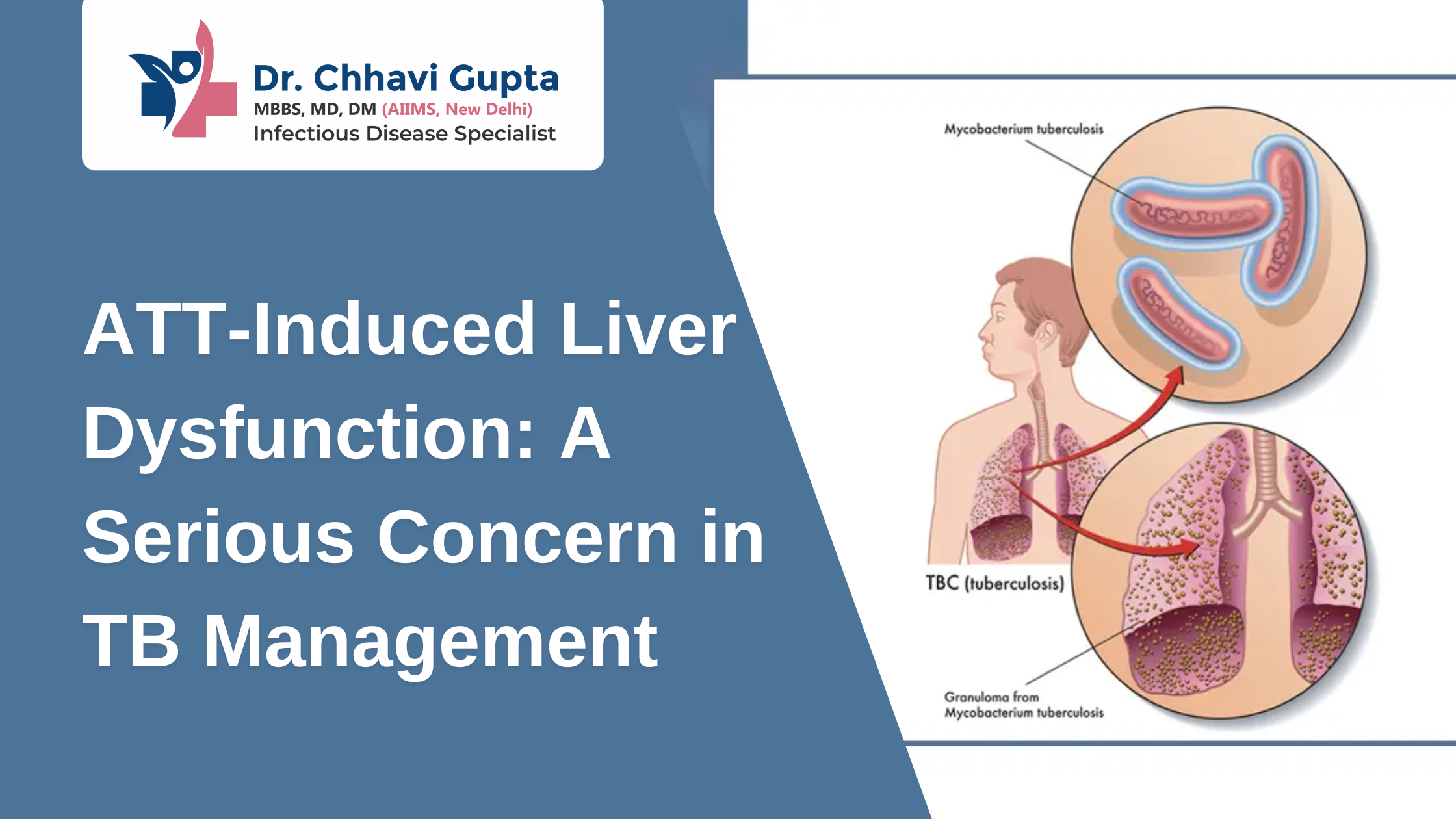
ATT-Induced Liver Dysfunction: A Serious Concern in TB Management

Understanding ATT and Its Role

Anti-tuberculosis therapy (ATT) is the standard treatment for tuberculosis, typically involving a combination of drugs like isoniazid, rifampicin, pyrazinamide, and ethambutol. While these drugs are effective, some of them carry a known risk of liver toxicity.

What Is ATT-Induced Liver Dysfunction?

ATT-induced liver dysfunction refers to liver damage that occurs as a side effect of TB medications. It often presents as elevated liver enzymes (transaminases), and in some cases, may progress to jaundice or even acute liver failure if left unmonitored.

Symptoms to Watch For

  • Nausea and vomiting
  • Abdominal pain (especially in the right upper quadrant)
  • Jaundice (yellowing of eyes and skin)
  • Fatigue or general weakness
  • Dark-colored urine

Who Is at Risk?

Patients at higher risk for liver toxicity from ATT include:

  • Those with pre-existing liver disease (e.g., hepatitis B or C)
  • People with poor nutritional status
  • Elderly individuals
  • Those who consume alcohol regularly
  • HIV-positive individuals
  • Monitoring and Management
  • Baseline Liver Function Tests (LFTs) should be done before starting ATT
  • Routine monitoring is important, especially during the first two months
  • If significant liver injury occurs, drugs may need to be paused and reintroduced gradually under expert guidance
  • Modified regimens or hepatoprotective agents may be considered

Why Early Detection Matters

Delays in recognizing liver dysfunction can lead to serious complications and jeopardize TB treatment. Timely action can prevent permanent damage and allow patients to safely complete their course of therapy.

If you or someone you know is undergoing TB treatment and experiencing symptoms of liver dysfunction, consult an infectious disease specialist immediately.

Dr. Chhavi Gupta
MBBS, MD, DM (AIIMS, New Delhi)
Senior Consultant – Infectious Diseases
Yashoda Super Speciality Hospital, Kaushambi
📞 For Appointments: +91 8851 346 424
🌐 drchhavigupta.com

Granulomatous Inflammation: It’s Not Always Tuberculosis

Granulomatous inflammation is a common finding in biopsy samples, particularly in regions where tuberculosis (TB) is prevalent. While TB is a major cause, not every granulomatous reaction is due to tuberculosis. Mistaking every granulomatous lesion as TB can lead to misdiagnosis, unnecessary treatment, and delay in identifying more serious conditions such as malignancies or systemic fungal infections.

What Is Granulomatous Inflammation?

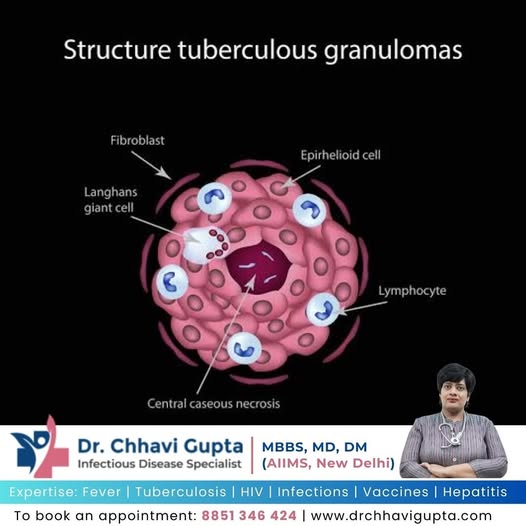
Granulomas are small nodules of immune cells that form in response to chronic inflammation. They act as the body’s defense mechanism to isolate harmful substances or infections it cannot eliminate easily. While TB is a leading cause, other infections and even non-infectious diseases can trigger granuloma formation.

Causes Other Than Tuberculosis

  • Fungal Infections: Diseases like histoplasmosis, blastomycosis, and cryptococcosis can all present with granulomas on histopathology.
  • Malignancies: Certain cancers, especially lymphomas, can mimic granulomatous inflammation.
  • Autoimmune Diseases: Sarcoidosis and granulomatosis with polyangiitis are examples of immune-mediated granulomatous diseases.
  • Foreign Body Reactions: Materials such as talc, sutures, or even inhaled particles can provoke granulomatous responses.

Why Correct Diagnosis Matters

In TB-endemic countries like India, clinicians often begin anti-TB treatment based solely on histopathology. However, starting TB treatment without confirming the diagnosis can be dangerous:

  • Delays appropriate care if the cause is fungal, malignant, or autoimmune.
  • Leads to unnecessary side effects and drug resistance.
  • Causes emotional and financial burden on patients and families.

What Should Be Done?

A thorough clinical evaluation, imaging studies, and additional lab tests (like fungal cultures, molecular diagnostics, or special stains) are crucial before initiating any therapy. Multidisciplinary input, including from infectious disease specialists, is often necessary.

When in Doubt, Consult an Expert

If your biopsy shows granulomatous inflammation, but the clinical picture doesn’t match TB, don’t rush into treatment. Consult a specialist to avoid misdiagnosis.

Dr. Chhavi Gupta
MBBS, MD, DM (AIIMS, New Delhi)
Senior Consultant – Infectious Diseases
Yashoda Super Speciality Hospital, Kaushambi

📞 For Appointments: +91 8851 346 424
🌐 More Info: drchhavigupta.com

Understanding Rabies: Prevention, Symptoms, and Treatment

Rabies is a deadly viral disease that affects the central nervous system of mammals, including humans. Transmitted primarily through the bite or scratch of an infected animal, rabies is almost always fatal once symptoms appear. However, it is completely preventable through vaccination and proper wound care.

What is Rabies?

Rabies is caused by the rabies virus, which spreads through the saliva of infected animals, commonly dogs, bats, raccoons, and foxes. Once the virus enters the body, it travels to the brain, causing inflammation that leads to severe neurological symptoms and, ultimately, death.

Symptoms of Rabies

Rabies symptoms typically appear within 1 to 3 months after exposure but can vary from a few days to several years. Early symptoms may resemble the flu, including fever, headache, and fatigue. As the disease progresses, more severe symptoms develop, such as:

  • Anxiety and confusion
  • Excessive salivation
  • Difficulty swallowing
  • Hydrophobia (fear of water)
  • Paralysis
  • Hallucinations and aggression
  • Once symptoms appear, rabies is almost always fatal, making early intervention crucial.

Prevention of Rabies

  1. Vaccination: Rabies vaccination is the most effective way to prevent the disease. This includes:
    • Pre-exposure vaccination for people at high risk, such as veterinarians and travelers to high-risk areas.
    • Post-exposure prophylaxis (PEP) for anyone bitten or scratched by a potentially rabid animal.
  2. Animal Control and Vaccination: Ensure pets are vaccinated against rabies and avoid contact with wild animals.
  3. Immediate Wound Care: If bitten, wash the wound thoroughly with soap and water and seek medical attention immediately.

Treatment for Rabies

  • If exposed to rabies, immediate medical care is essential. Post-exposure prophylaxis (PEP) involves:
  • Rabies Immune Globulin (RIG) for immediate antibodies.
  • Rabies Vaccine Series to stimulate the body’s immune response.

Consult an Expert Today

  • Dr. Chhavi Gupta, MBBS, MD, DM (AIIMS, New Delhi)
    Senior Consultant, Infectious Diseases
    Yashoda Super Speciality Hospital, Kaushambi

    📞 +91 8851 346 424
    🌐 drchhavigupta.com

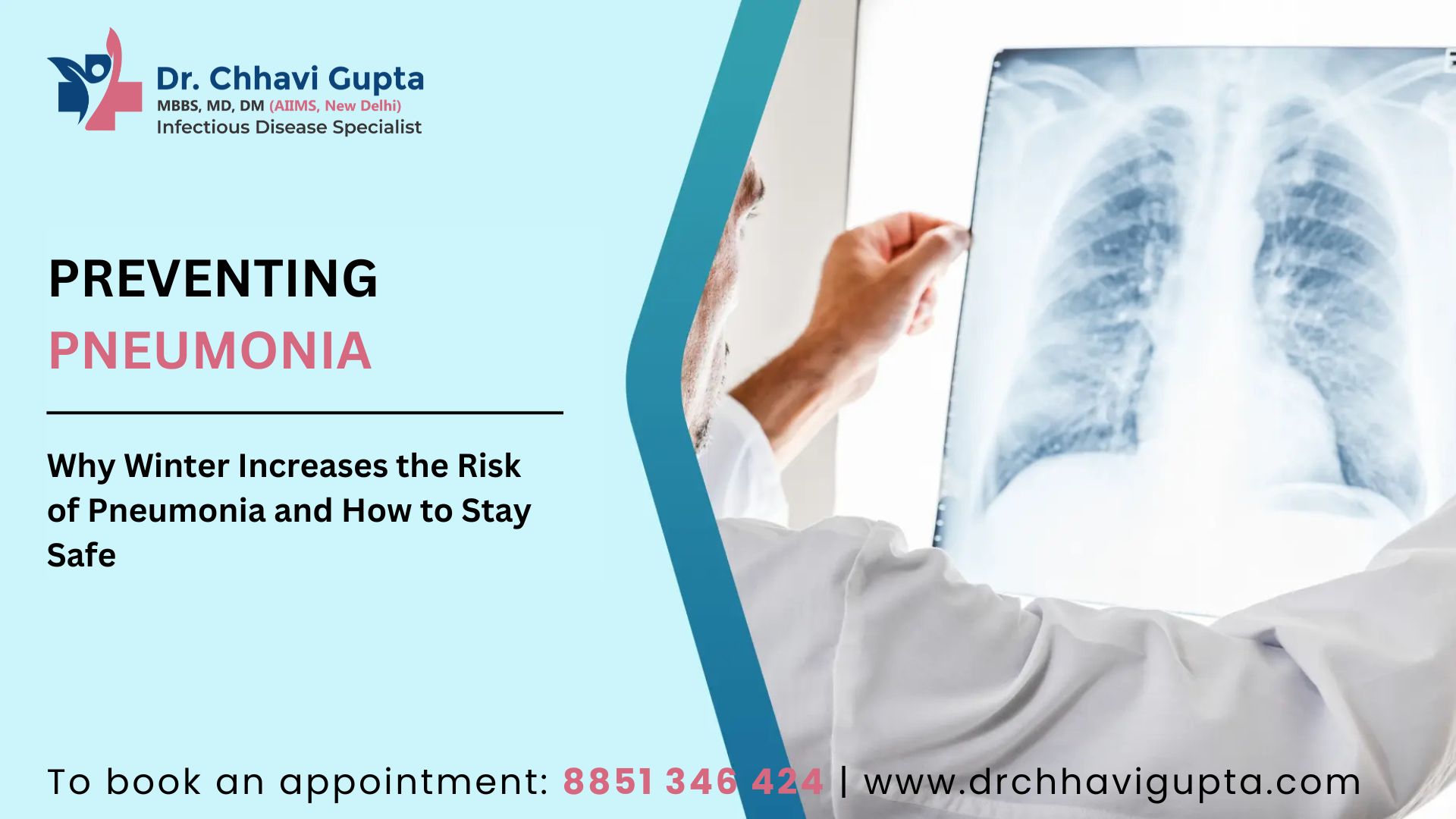
Why Winter Increases the Risk of Pneumonia and How to Stay Safe

Winter brings with it chilly weather, cozy evenings, and unfortunately, a spike in respiratory illnesses, including pneumonia. Pneumonia, a lung infection that inflames the air sacs and fills them with fluid or pus, becomes more prevalent during the colder months. Understanding why winter increases the risk of pneumonia and taking proactive steps to stay safe is crucial for your health.

Why Does Winter Increase the Risk of Pneumonia?

  1. Weakened Immune System: Cold weather can weaken the body’s immune defenses, making it harder to fight off infections. This makes individuals more susceptible to respiratory illnesses like pneumonia.
  2. Increased Indoor Gatherings: People spend more time indoors during winter, often in close proximity to others. This creates an ideal environment for the spread of viruses and bacteria that can lead to pneumonia.
  3. Dry Air and Reduced Humidity: Winter air is typically dry, which can dry out the mucous membranes in the respiratory tract. This reduces their ability to trap and expel pathogens, increasing the risk of infections.
  4. Prevalence of Flu and Respiratory Infections: Influenza and other respiratory infections are more common in winter. These illnesses can weaken the lungs and immune system, paving the way for pneumonia.
  5. Chronic Health Conditions: For individuals with chronic illnesses like diabetes, asthma, or heart disease, winter’s challenges can exacerbate their condition and make them more prone to complications like pneumonia.

How to Stay Safe from Pneumonia in Winter

  1. Get Vaccinated: Vaccination is one of the most effective ways to prevent pneumonia. Both the pneumococcal vaccine and the annual flu vaccine are essential to protect against the bacteria and viruses that can lead to pneumonia.
  2. Maintain Good Hygiene: Wash your hands regularly, especially after coughing, sneezing, or touching shared surfaces. Use hand sanitizers when soap and water aren’t available.
  3. Boost Your Immunity: Eat a balanced diet rich in vitamins and minerals, particularly Vitamin C and zinc, to strengthen your immune system. Stay hydrated and get enough sleep to keep your body’s defenses in top shape.
  4. Stay Warm: Keep yourself warm by dressing in layers and covering your head and chest when outdoors. Use a humidifier indoors to prevent the air from becoming too dry.
  5. Avoid Smoking and Pollutants: Smoking and exposure to air pollution can damage the lungs and increase the risk of respiratory infections. Minimize exposure to these irritants to keep your lungs healthy.
  6. Practice Respiratory Etiquette: Cover your mouth and nose with a tissue or your elbow when you cough or sneeze to prevent the spread of germs.
  7. Seek Early Medical Attention: If you experience symptoms like persistent cough, fever, shortness of breath, or chest pain, consult a doctor promptly. Early diagnosis and treatment can prevent complications.

Who Is at Higher Risk?

Certain groups are more vulnerable to pneumonia, including:

  • Older adults (65+ years)
  • Infants and young children
  • Individuals with weakened immune systems
  • People with chronic conditions like diabetes, COPD, or heart disease

The Role of Vaccination

Vaccination is a cornerstone in preventing pneumonia, especially for high-risk groups. The pneumococcal vaccine protects against bacterial pneumonia, while the annual flu vaccine reduces the risk of influenza-related pneumonia. Both vaccines are safe, effective, and widely recommended by healthcare professionals.

Conclusion

Winter doesn’t have to mean falling ill. By understanding the heightened risk of pneumonia during this season and taking preventive measures, you can protect yourself and your loved ones. Stay warm, practice good hygiene, and prioritize timely vaccinations to ensure a healthy and safe winter.

If you have concerns about pneumonia or want to learn more about vaccinations, consult an infectious disease specialist. Dr. Chhavi Gupta, a Senior Consultant in Infectious Diseases at Yashoda Super Speciality Hospital, Kaushambi, is here to help.

Book an Appointment: +91 8851 346 424
Visit: drchhavigupta.com

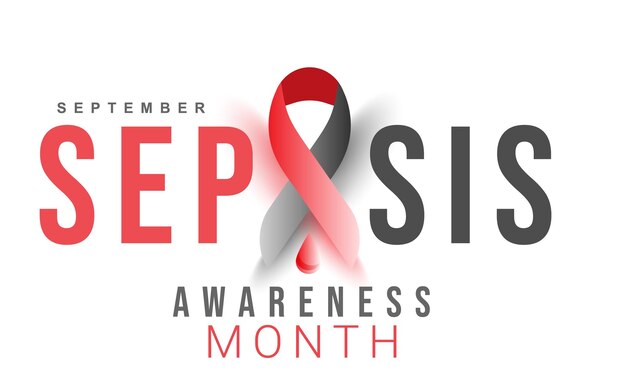
Understanding Sepsis: Causes, Symptoms, and Prevention

Sepsis is a life-threatening condition that arises when the body’s response to infection causes widespread inflammation, leading to tissue damage, organ failure, and potentially death. While often triggered by bacterial infections, sepsis can result from any type of infection, including viral, fungal, or parasitic. Early recognition and prompt treatment are crucial in preventing serious outcomes.

What Is Sepsis?
Sepsis occurs when the body’s immune system, which normally helps fight infections, goes into overdrive. Instead of targeting just the infection, the immune system begins to attack the body’s own tissues and organs. This widespread inflammation can lead to dangerous drops in blood pressure, shock, and multi-organ failure if left untreated.

Common Causes of Sepsis
Sepsis can develop from various infections, including:

  • Pneumonia (lung infection)
  • Urinary Tract Infections (UTIs)
  • Abdominal Infections (e.g., appendicitis or peritonitis)
  • Skin Infections (e.g., cellulitis)
  • Surgical Wound Infections

While anyone can develop sepsis, certain groups are more vulnerable:

  • The elderly
  • People with weakened immune systems
  • Patients with chronic conditions (e.g., diabetes, kidney disease)
  • Infants and young children
  • People with recent surgeries or invasive medical procedures

Recognizing the Symptoms of Sepsis
The early symptoms of sepsis can mimic other less severe illnesses, which makes it difficult to identify. However, the following signs should not be ignored:

  • High fever or chills
  • Rapid breathing and heart rate
  • Confusion or disorientation
  • Extreme pain or discomfort
  • Clammy, sweaty skin
  • Decreased urine output
  • Low blood pressure (a sign of septic shock)

If you or someone you know shows these symptoms after an infection, it is critical to seek medical attention immediately. Sepsis is a medical emergency, and early intervention can save lives.

How is Sepsis Diagnosed?
Healthcare providers diagnose sepsis based on a combination of symptoms, blood tests, and imaging studies. Blood tests can help identify the infection source and measure inflammation levels, while imaging such as X-rays or CT scans may pinpoint the location of an infection.

Treatment of Sepsis
Once diagnosed, the main goals of sepsis treatment are to:

  1. Control the infection – Antibiotics or antivirals are administered as soon as possible.
  2. Support vital organ function – This may involve intravenous fluids, oxygen, or medications to stabilize blood pressure.
  3. Remove the infection source – In some cases, surgery may be required to drain abscesses or remove infected tissue.

Timely and aggressive treatment is key to improving outcomes for patients with sepsis. Intensive care support may be needed for patients in severe stages.

Preventing Sepsis
Since sepsis is often triggered by infections, preventing infections is the first step in reducing the risk of sepsis. Some effective preventive measures include:

  • Vaccination: Ensure you are up to date on vaccines, especially those that protect against pneumonia, influenza, and other infections.
  • Hygiene: Regular hand washing, especially after using the restroom or before handling food, can prevent the spread of infections.
  • Proper Wound Care: Clean and cover cuts, scrapes, and other wounds to prevent infection.
  • Seek Prompt Medical Care: If you suspect an infection, especially after surgery or a medical procedure, seek medical help early before complications arise.

The Importance of Early Recognition
Sepsis can progress rapidly. What starts as a mild infection may evolve into septic shock within hours, which is why early recognition is vital. Health campaigns focus on raising awareness of sepsis symptoms so patients and caregivers can act quickly and prevent long-term damage or death.

Conclusion
Sepsis is a critical condition, but it is preventable and treatable when recognized early. Awareness of the symptoms and risk factors can help reduce the risk of developing sepsis or experiencing complications. If you or someone you know is experiencing signs of sepsis after an infection, seek medical attention immediately.

For expert care in managing infections and preventing complications like sepsis, consult with Dr. Chhavi Gupta, an Infectious Diseases Specialist with vast experience in diagnosing and treating infections.

📞 Book an appointment: +91 8851 346 424 | 🌐 Visit: drchhavigupta.com

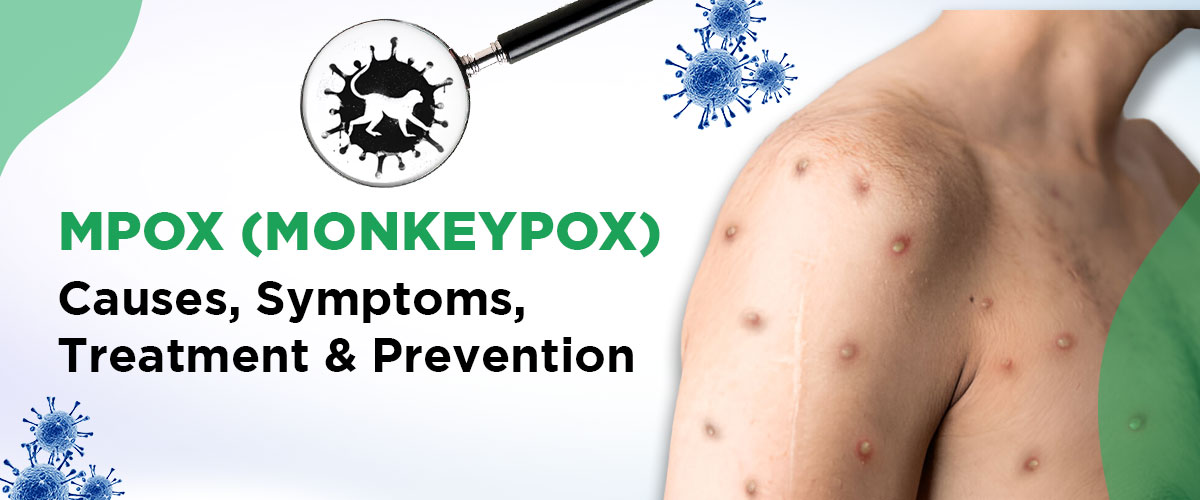
Understanding Monkeypox: Causes, Symptoms, and Prevention

Monkeypox is an emerging viral disease that has gained attention due to its ability to affect humans, primarily in areas of Africa, but has recently spread to other regions as well. The virus that causes monkeypox belongs to the same family as the smallpox virus, although monkeypox is generally less severe. However, with its increasing spread, it is crucial to be informed about its causes, symptoms, and ways to prevent infection.

What is Monkeypox?

Monkeypox is a zoonotic virus, meaning it can be transmitted from animals to humans. It was first identified in 1958 in monkeys kept for research, which is how it got its name, though the primary carriers are thought to be rodents. The first human case was recorded in 1970 in the Democratic Republic of Congo.

How Does Monkeypox Spread?

Monkeypox can spread through close contact with an infected animal or person. Human-to-human transmission occurs via respiratory droplets, contact with bodily fluids, or direct contact with the skin lesions of an infected person. The virus can also be spread through contaminated objects such as bedding or clothing.

Sexual transmission has also been recognized as an important route for the spread of monkeypox, further highlighting the importance of awareness and preventive measures.

Symptoms of Monkeypox

The incubation period for monkeypox ranges from 5 to 21 days. Initial symptoms are similar to other viral infections, making early diagnosis challenging. These symptoms include:

  • Fever
  • Chills
  • Headache
  • Muscle and back aches
  • Exhaustion
  • Swollen lymph nodes

A key symptom that distinguishes monkeypox from other viral infections is the development of a rash. The rash typically begins on the face and then spreads to other parts of the body. It starts as flat red spots, which then turn into blisters filled with pus. These blisters eventually crust over and fall off. The rashes are often painful and itchy, causing significant discomfort.

Is Monkeypox Life-Threatening?

Monkeypox is often self-limiting, meaning symptoms usually go away within two to three weeks. However, in some cases, it can lead to complications, especially in individuals with weakened immune systems, children, or those with pre-existing health conditions. Complications can include secondary infections, pneumonia, and in rare cases, death.

Prevention and Treatment

There is no specific treatment for monkeypox, but supportive care and treatment of symptoms can help. Smallpox vaccines have been shown to be about 85% effective in preventing monkeypox and may be recommended for people at high risk of exposure.

Preventive measures include:

Avoiding contact with animals that could harbor the virus, especially in areas where monkeypox is endemic.
Practicing good hand hygiene, particularly after contact with animals or sick individuals.
Isolating infected patients to prevent the spread of the virus.
Using personal protective equipment (PPE) when caring for infected individuals.
Conclusion

While monkeypox is not as widespread or as severe as many other viral infections, its potential to cause outbreaks makes it a public health concern. Being informed about the symptoms, modes of transmission, and preventive measures is key to controlling its spread.

If you suspect exposure to monkeypox or are experiencing symptoms, it is crucial to seek medical advice. For expert guidance and treatment, consult Dr. Chhavi Gupta, an Infectious Diseases Specialist from AIIMS, New Delhi, now available at Yashoda Super Speciality Hospital, Delhi NCR.

Contact for Appointment: 8851 346 424

Understanding the Role of a Fever Specialist

When it comes to dealing with fevers, many of us might assume that any general practitioner can handle the situation. However, persistent or unexplained fevers often require specialized attention. This is where a fever specialist comes in.

A fever specialist is typically an infectious diseases specialist or an internist with advanced training in diagnosing and treating conditions that cause fevers. These medical professionals have in-depth knowledge of the various causes of fever and the expertise to determine the underlying issues that may not be apparent through standard tests and treatments.

Why Consult a Fever Specialist?

Here are some reasons why you might need to see a fever specialist:

  1. Persistent Fever: If you have a fever that lasts more than a few days without any clear cause, it’s essential to consult a specialist.
  2. Recurrent Fevers: Repeated episodes of fever over weeks or months could indicate an underlying chronic condition.
  3. Unexplained Fever: When initial tests and treatments by a general practitioner do not resolve or explain the fever, a specialist’s opinion is invaluable.
  4. Complex Medical History: Patients with a history of immune disorders, recent travel to areas with endemic diseases, or other complex medical backgrounds might need specialized attention.
  5. Infectious Diseases: Fever often accompanies infections. Specialists are trained to identify and treat a wide range of infectious diseases that could be causing the fever.

Common Conditions Treated by Fever Specialists

  • Infectious Diseases: Including but not limited to malaria, typhoid, tuberculosis, and viral infections like dengue and influenza.
  • Autoimmune Disorders: Conditions such as lupus or rheumatoid arthritis often present with fever.
  • Cancer-Related Fevers: Some cancers, particularly lymphomas, can cause persistent fevers.
  • Drug Fevers: Certain medications can induce fever as a side effect.
  • Unknown Origin: Fevers of unknown origin (FUO) are a significant part of a specialist’s work, involving detailed investigations to uncover hidden causes.

What to Expect During a Visit

During your consultation, the fever specialist will:

  1. Take a Detailed Medical History: This includes recent travel, exposure to infections, personal and family medical history, and current medications.
  2. Conduct a Physical Examination: To look for signs that may point to a specific cause.
  3. Order Specialized Tests: Blood tests, imaging studies, cultures, and other diagnostic procedures tailored to uncover the fever’s cause.
  4. Develop a Treatment Plan: Based on the diagnosis, the specialist will create a comprehensive treatment plan that may include medications, lifestyle changes, and follow-up appointments.

The Importance of Early Intervention

Early intervention by a fever specialist can prevent complications and provide relief from the discomfort associated with persistent or recurrent fevers. Identifying the root cause allows for targeted treatment, improving outcomes and enhancing quality of life.

Conclusion

Fevers are common but can sometimes signal more serious underlying conditions. If you or a loved one is experiencing persistent, recurrent, or unexplained fevers, consulting a fever specialist can provide the clarity and care needed to address the issue effectively.

For expert advice and treatment, consult Dr. Chhavi Gupta, an infectious diseases specialist from AIIMS, New Delhi.

Call Now: +91 8851 346 424

Remember, your health is paramount, and seeking specialized care can make all the difference.