
Empowering Health, Defending Wellness

Address:

Yashoda Medicity, Indirapuram & Yashoda Hospital, Kaushambi

Understanding the Importance of the HPV Vaccine: Protecting Against Cervical Cancer

Cervical cancer remains one of the most common cancers among women worldwide. A significant cause of this cancer is the human papillomavirus (HPV), a sexually transmitted infection. The HPV vaccine is a crucial tool in the fight against cervical cancer, offering a preventative measure that can save lives. This blog post delves into the importance of the HPV vaccine, its administration, and its role in cancer prevention.

What is HPV?

HPV is a group of more than 200 related viruses, with more than 40 types transmitted through direct sexual contact. While many HPV infections go away on their own and do not cause any health problems, some can persist and lead to genital warts or, more seriously, cervical cancer. Other cancers caused by HPV include cancers of the vulva, vagina, penis, anus, and oropharynx (throat, tongue, and tonsils).

The Link Between HPV and Cervical Cancer

Cervical cancer is almost always caused by HPV. In particular, two types of HPV (types 16 and 18) are responsible for approximately 70% of all cervical cancer cases. The virus infects the cells of the cervix, leading to changes that, over time, can develop into cancer if not detected and treated early.

The HPV Vaccine: An Effective Preventative Measure

The HPV vaccine is designed to protect against the types of HPV that most commonly cause cervical cancer and genital warts. It is highly effective and has been shown to significantly reduce the incidence of these conditions.

Who Should Get the HPV Vaccine?

The HPV vaccine is recommended for:

  • Girls and boys aged 9-14 years: This age group benefits the most because they should receive the vaccine before becoming sexually active.
  • Females and males aged 15-26 years: Those who were not vaccinated earlier should still get the vaccine for protection.
  • Immunocompromised individuals: Such as people living with HIV/AIDS, who may require 2 or 3 doses depending on their age and health condition.

Vaccine Administration

The HPV vaccine is typically administered in two or three doses over six months, depending on the age and health status of the individual:

  • Younger age groups (9-14 years): 2 doses
  • Individuals aged 15-26 years or immunocompromised individuals: 2 or 3 doses

Benefits of the HPV Vaccine

  • Prevents Cervical Cancer: By protecting against the high-risk types of HPV, the vaccine can prevent the majority of cervical cancer cases.
  • Reduces the Risk of Other Cancers: The vaccine also lowers the risk of other cancers associated with HPV.
  • Decreases the Incidence of Genital Warts: The vaccine protects against the types of HPV that cause genital warts.
  • Contributes to Herd Immunity: Widespread vaccination can lead to a significant reduction in the overall prevalence of HPV in the population, providing indirect protection to those who are not vaccinated.

Safety and Side Effects

The HPV vaccine has been thoroughly tested and is considered safe. The most common side effects are mild and include pain at the injection site, headache, and fever. Severe side effects are rare.

Conclusion

The HPV vaccine is a powerful tool in the fight against cervical cancer and other HPV-related diseases. By vaccinating boys and girls at an early age, we can significantly reduce the incidence of these serious health conditions. It’s crucial for parents to understand the importance of the HPV vaccine and to ensure their children receive it on time.

For expert advice and vaccination, consult Dr. Chhavi Gupta, an infectious diseases specialist from AIIMS, New Delhi.

📞 Call Now: 8851 346 424
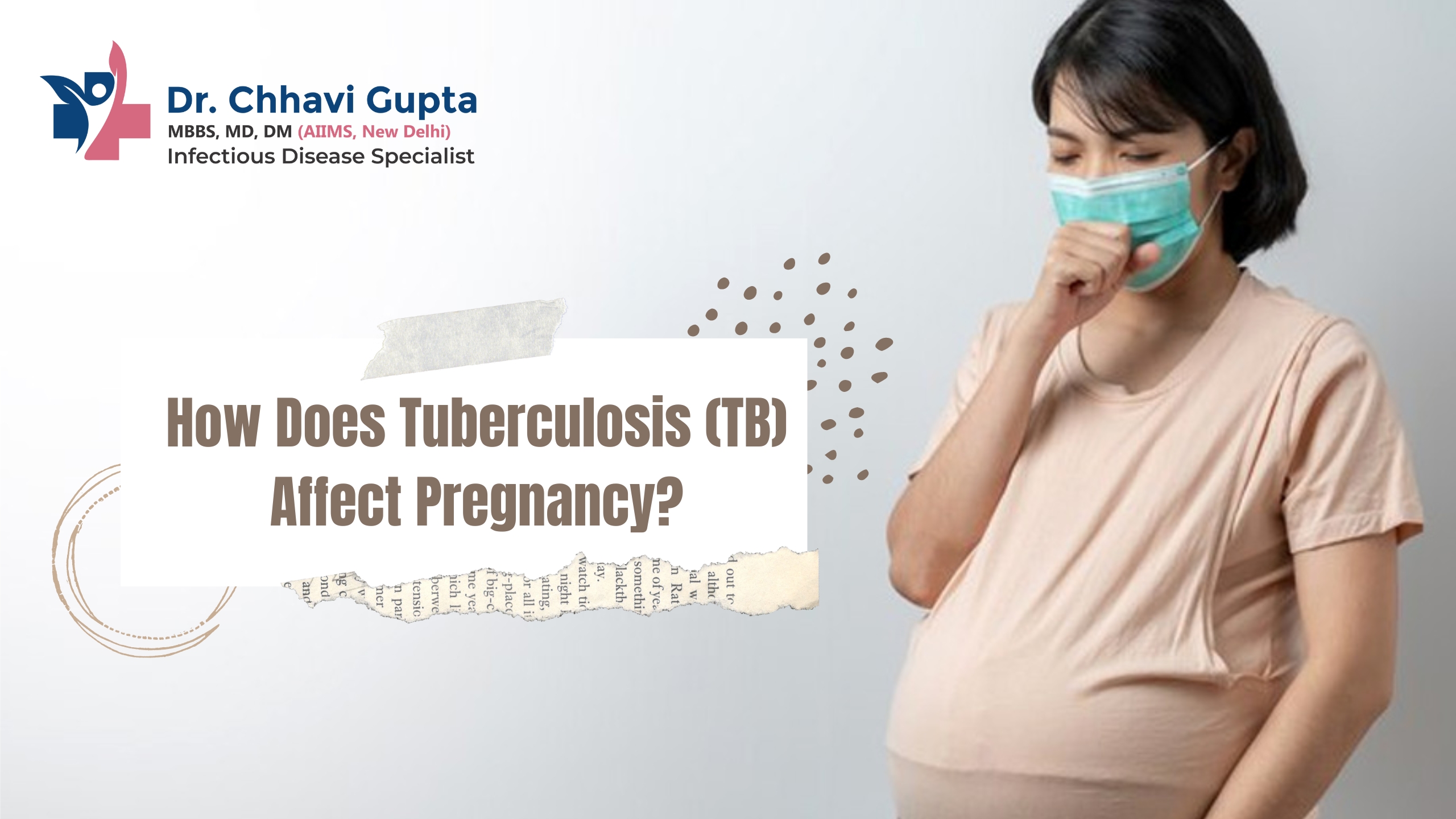
How Does Tuberculosis (TB) Affect Pregnancy?

Tuberculosis (TB) is a serious infectious disease that primarily affects the lungs but can spread to other parts of the body. For pregnant women, TB poses unique challenges and risks that need to be carefully managed to ensure the health and well-being of both the mother and the baby. In this blog post, we’ll explore how TB affects pregnancy, the potential risks involved, and the importance of proper diagnosis and treatment.

Understanding Tuberculosis in Pregnancy

TB is caused by the bacteria Mycobacterium tuberculosis. It spreads through the air when an infected person coughs, sneezes, or speaks. When TB occurs during pregnancy, it can lead to complications if not properly managed. Pregnant women are at risk of both pulmonary TB (affecting the lungs) and extrapulmonary TB (affecting other organs).

Risks to the Mother

1. Increased Fatigue:
Pregnancy naturally comes with increased fatigue, and TB can exacerbate this condition, making it more difficult for the expectant mother to manage daily activities.

2. Nutritional Deficiencies:
TB can affect the body’s ability to absorb nutrients, which can lead to nutritional deficiencies. Proper nutrition is critical during pregnancy to support the health of both the mother and the developing baby.

3. Complications:
Women with TB may face a higher risk of complications during pregnancy and delivery. This can include a higher likelihood of developing anemia, experiencing preterm labor, and needing medical interventions during childbirth.

Risks to the Baby

1. Low Birth Weight:
Babies born to mothers with TB are at a higher risk of being born with low birth weight, which can lead to additional health challenges in the early stages of life.

2. Preterm Birth:
There is an increased risk of preterm birth (delivery before 37 weeks of gestation) among pregnant women with TB. Preterm babies often require special care in neonatal intensive care units (NICUs).

3. Congenital TB:
Although rare, TB can be transmitted from the mother to the baby during pregnancy or delivery. Congenital TB is a serious condition that requires prompt medical attention.

Key Points for Managing TB During Pregnancy

1. Early Diagnosis:
Early diagnosis of TB is crucial for effective management. Pregnant women who exhibit symptoms of TB, such as persistent cough, weight loss, night sweats, or fever, should seek medical evaluation promptly.

2. Proper Treatment:
Safe and effective TB treatment options are available for pregnant women. It’s essential to follow the treatment regimen prescribed by healthcare professionals to control the infection and reduce the risk of complications.

3. Regular Monitoring:
Pregnant women with TB require close monitoring by healthcare providers to ensure both maternal and fetal health. This includes regular prenatal visits, TB treatment adherence, and nutritional support.

4. Nutritional Support:
Maintaining proper nutrition is vital for pregnant women with TB. A balanced diet that meets the increased nutritional demands of pregnancy can help improve overall health and outcomes.

5. Avoiding Exposure:
Pregnant women should avoid close contact with individuals known to have active TB to reduce the risk of transmission.

Conclusion

Tuberculosis during pregnancy is a serious condition that requires careful management and monitoring. By understanding the risks and following appropriate medical guidance, pregnant women with TB can achieve better health outcomes for themselves and their babies. Early diagnosis, proper treatment, and regular prenatal care are key components in managing TB effectively during pregnancy.

For expert guidance on managing TB during pregnancy, consult Dr. Chhavi Gupta, an infectious diseases specialist from AIIMS, New Delhi. Dr. Gupta’s expertise and comprehensive care approach ensure the best possible outcomes for both mother and baby.

Contact Details:

  • Name: Dr. Chhavi Gupta, MBBS, MD, DM (AIIMS, New Delhi)
  • Specialty: Infectious Diseases Specialist
  • Phone: +91 8851 346 424