
Empowering Health, Defending Wellness

Address:

Yashoda Medicity, Indirapuram & Yashoda Hospital, Kaushambi

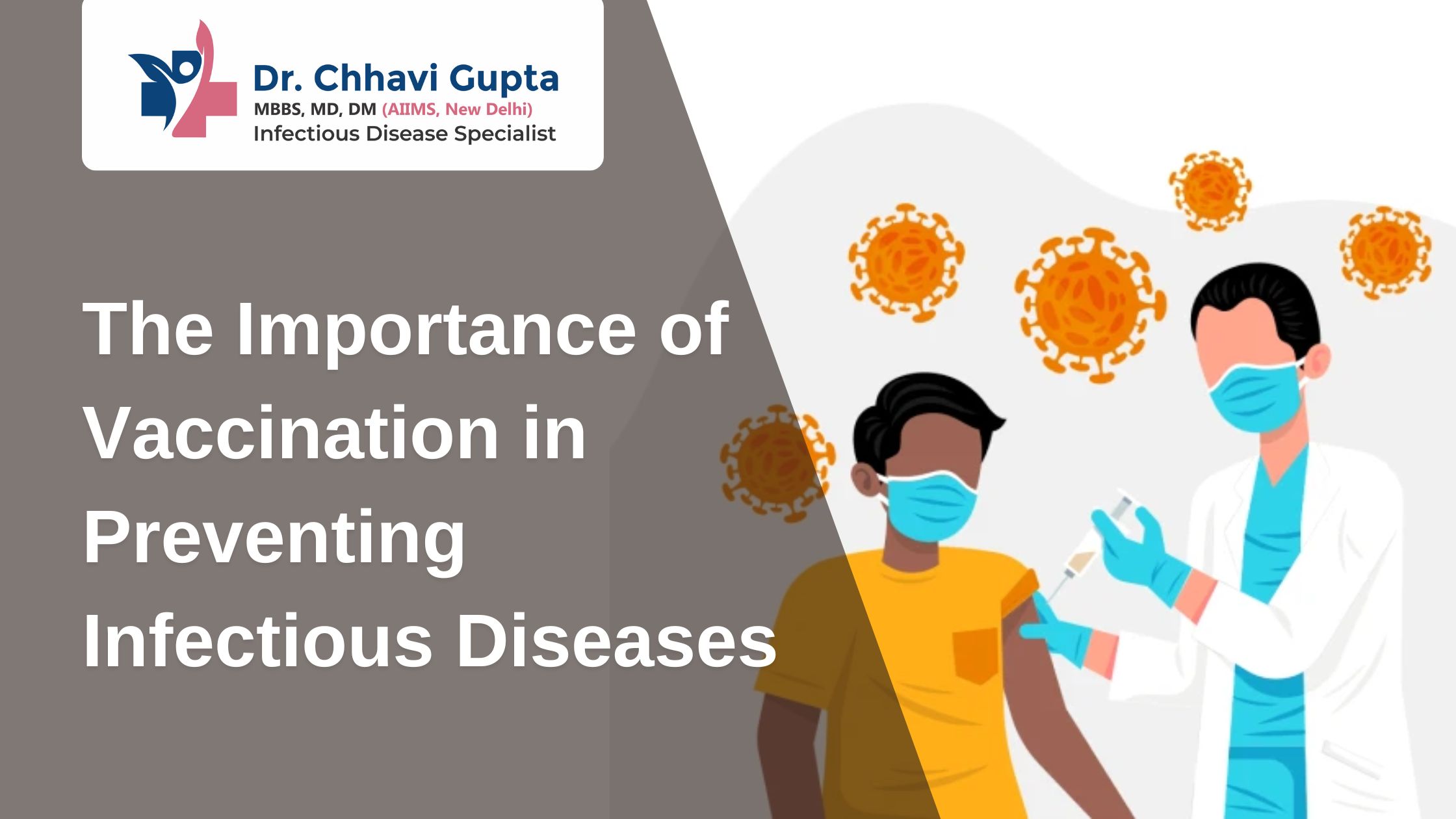
The Importance of Vaccination in Preventing Infectious Diseases

Vaccination is one of the most effective and essential tools in modern medicine, playing a crucial role in preventing infectious diseases and saving lives. For decades, vaccines have protected millions of people worldwide, reducing the spread of contagious illnesses and eradicating certain diseases entirely. In today’s world, where infectious diseases continue to pose significant threats, vaccination remains as vital as ever.

How Vaccines Work

Vaccines work by stimulating the body’s immune system to recognize and fight pathogens, such as viruses or bacteria, without causing the disease itself. When vaccinated, your immune system produces antibodies that protect you from future infections. This process not only safeguards individuals but also contributes to community-wide immunity, also known as herd immunity, where the spread of contagious diseases is reduced or stopped entirely.

Why Vaccination Matters

  1. Preventing Life-Threatening Diseases
    Vaccines protect against severe and sometimes fatal diseases such as measles, mumps, rubella, polio, tetanus, diphtheria, and more recently, COVID-19. Immunization programs have saved millions of lives worldwide, drastically reducing the incidence of diseases that were once common and deadly.
  2. Reducing the Spread of Infectious Diseases
    Vaccines help in controlling outbreaks by reducing the transmission of infectious diseases. When enough people are vaccinated, the spread of diseases is minimized, protecting those who are unable to get vaccinated, such as infants, the elderly, or people with weakened immune systems.
  3. Cost-Effective Healthcare
    Preventing a disease is far more cost-effective than treating it. Vaccines reduce the financial burden on individuals and healthcare systems by preventing expensive medical treatments, hospitalizations, and loss of productivity due to illness.
  4. Protecting Vulnerable Populations
    Vaccines help protect vulnerable populations, such as children, pregnant women, the elderly, and those with chronic health conditions. These groups are at higher risk of complications from infectious diseases, making vaccination even more crucial for their health and well-being.
  5. Building Long-Term Immunity
    Some vaccines, such as those for measles or polio, provide long-term or even lifelong immunity, reducing the risk of infection throughout a person’s life. Others, like the flu vaccine, require annual doses to provide protection against evolving strains of the virus.

Vaccines You Shouldn’t Miss

  1. Influenza Vaccine
    The flu vaccine is essential, especially for high-risk individuals like the elderly, children, and people with chronic conditions. Annual flu shots are needed to protect against new strains of the virus that emerge each year.
  2. Pneumococcal Vaccine
    Pneumonia is a leading cause of death, particularly among older adults and individuals with weakened immune systems. The pneumococcal vaccine helps prevent pneumonia, meningitis, and other infections caused by the Streptococcus pneumoniae bacteria.
  3. Shingles (Herpes Zoster) Vaccine
    Shingles is a painful skin rash caused by the reactivation of the chickenpox virus. The shingles vaccine, such as Shingrix, is recommended for adults over 50 to prevent this viral infection.
  4. Hepatitis Vaccines
    Hepatitis A and B vaccines protect against liver infections caused by the hepatitis viruses, which can lead to chronic liver disease and cancer. These vaccines are particularly important for people in high-risk groups and travelers to areas where these infections are common.
  5. Human Papillomavirus (HPV) Vaccine
    The HPV vaccine protects against the human papillomavirus, which can cause cervical cancer and other types of cancer. It is recommended for both boys and girls, usually starting from adolescence.

Addressing Common Vaccine Myths

Despite overwhelming scientific evidence supporting the safety and effectiveness of vaccines, some myths and misconceptions still circulate. It’s important to address these concerns:

  • Myth: Vaccines cause the diseases they are meant to prevent.
    Fact: Vaccines contain inactivated or weakened forms of viruses or bacteria that cannot cause the disease.
  • Myth: Vaccines cause autism.
    Fact: Extensive research has found no link between vaccines and autism. This misconception was based on a fraudulent study that has since been debunked.
  • Myth: Healthy individuals don’t need vaccines.
    Fact: Even healthy people can contract and spread infections. Vaccines not only protect you but also help protect those around you.
  • Myth: Vaccines are too expensive and unaffordable for most people.
    Fact: Vaccines are cost-effective in the long run. While there may be upfront costs, they prevent certain illnesses that could lead to hospitalization and expensive treatments.

Conclusion

Vaccination is a powerful, life-saving tool that not only protects individuals but also safeguards communities. Staying up-to-date with recommended vaccinations can prevent the spread of infectious diseases, reduce healthcare costs, and save lives. For more information about vaccines and to schedule your vaccinations, consult with your healthcare provider.

Dr. Chhavi Gupta, a renowned Infectious Diseases Specialist from AIIMS, New Delhi, specializes in managing infectious diseases and preventive care. Now available for consultations at Yashoda Super Speciality Hospital, Dr. Gupta is dedicated to offering expert guidance on vaccinations and other preventive healthcare measures.

For consultations, contact:
📞 +91 8851 346 424
Understanding the Role of a Fever Specialist

When it comes to dealing with fevers, many of us might assume that any general practitioner can handle the situation. However, persistent or unexplained fevers often require specialized attention. This is where a fever specialist comes in.

A fever specialist is typically an infectious diseases specialist or an internist with advanced training in diagnosing and treating conditions that cause fevers. These medical professionals have in-depth knowledge of the various causes of fever and the expertise to determine the underlying issues that may not be apparent through standard tests and treatments.

Why Consult a Fever Specialist?

Here are some reasons why you might need to see a fever specialist:

  1. Persistent Fever: If you have a fever that lasts more than a few days without any clear cause, it’s essential to consult a specialist.
  2. Recurrent Fevers: Repeated episodes of fever over weeks or months could indicate an underlying chronic condition.
  3. Unexplained Fever: When initial tests and treatments by a general practitioner do not resolve or explain the fever, a specialist’s opinion is invaluable.
  4. Complex Medical History: Patients with a history of immune disorders, recent travel to areas with endemic diseases, or other complex medical backgrounds might need specialized attention.
  5. Infectious Diseases: Fever often accompanies infections. Specialists are trained to identify and treat a wide range of infectious diseases that could be causing the fever.

Common Conditions Treated by Fever Specialists

  • Infectious Diseases: Including but not limited to malaria, typhoid, tuberculosis, and viral infections like dengue and influenza.
  • Autoimmune Disorders: Conditions such as lupus or rheumatoid arthritis often present with fever.
  • Cancer-Related Fevers: Some cancers, particularly lymphomas, can cause persistent fevers.
  • Drug Fevers: Certain medications can induce fever as a side effect.
  • Unknown Origin: Fevers of unknown origin (FUO) are a significant part of a specialist’s work, involving detailed investigations to uncover hidden causes.

What to Expect During a Visit

During your consultation, the fever specialist will:

  1. Take a Detailed Medical History: This includes recent travel, exposure to infections, personal and family medical history, and current medications.
  2. Conduct a Physical Examination: To look for signs that may point to a specific cause.
  3. Order Specialized Tests: Blood tests, imaging studies, cultures, and other diagnostic procedures tailored to uncover the fever’s cause.
  4. Develop a Treatment Plan: Based on the diagnosis, the specialist will create a comprehensive treatment plan that may include medications, lifestyle changes, and follow-up appointments.

The Importance of Early Intervention

Early intervention by a fever specialist can prevent complications and provide relief from the discomfort associated with persistent or recurrent fevers. Identifying the root cause allows for targeted treatment, improving outcomes and enhancing quality of life.

Conclusion

Fevers are common but can sometimes signal more serious underlying conditions. If you or a loved one is experiencing persistent, recurrent, or unexplained fevers, consulting a fever specialist can provide the clarity and care needed to address the issue effectively.

For expert advice and treatment, consult Dr. Chhavi Gupta, an infectious diseases specialist from AIIMS, New Delhi.

Call Now: +91 8851 346 424

Remember, your health is paramount, and seeking specialized care can make all the difference.

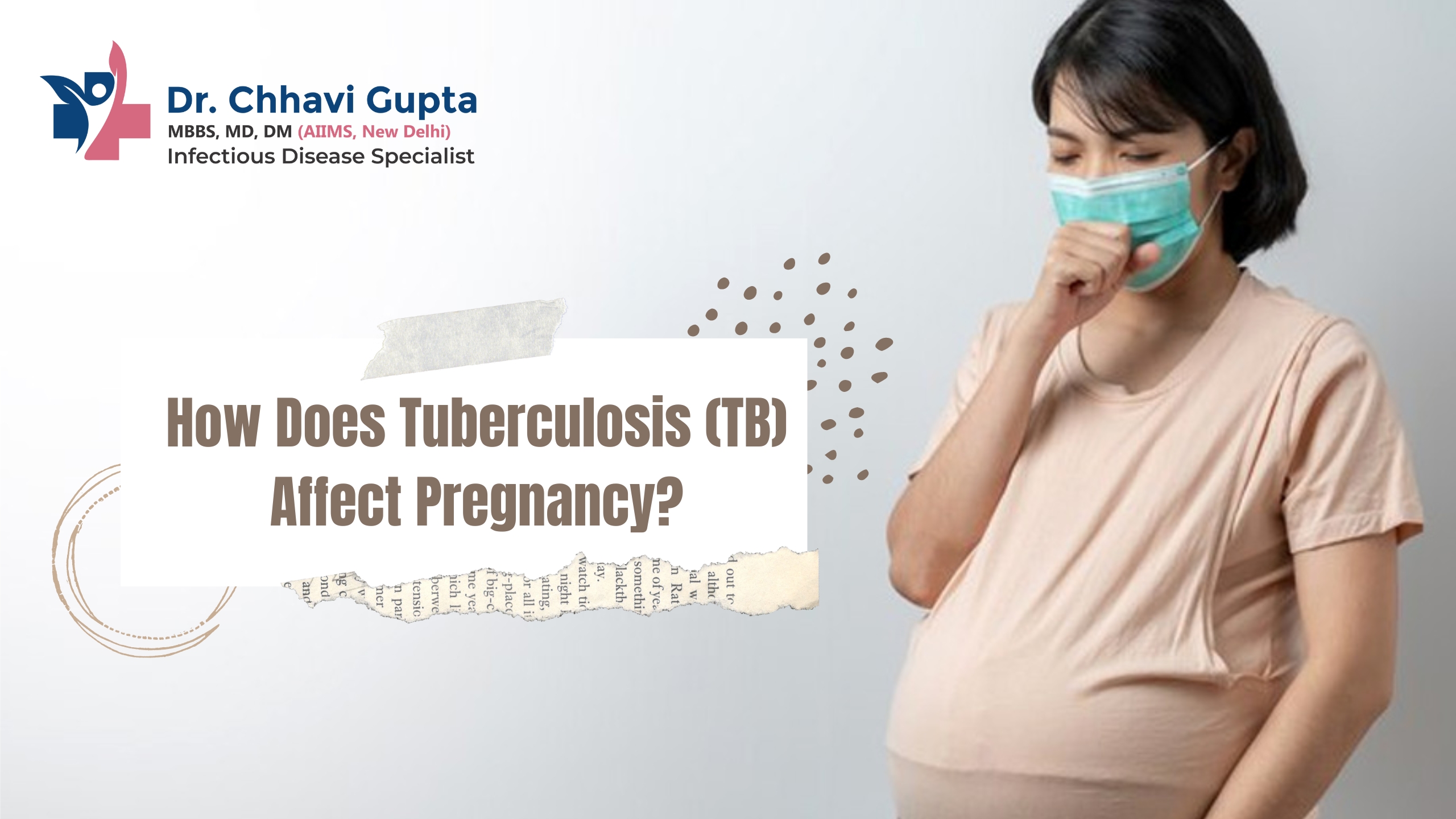
How Does Tuberculosis (TB) Affect Pregnancy?

Tuberculosis (TB) is a serious infectious disease that primarily affects the lungs but can spread to other parts of the body. For pregnant women, TB poses unique challenges and risks that need to be carefully managed to ensure the health and well-being of both the mother and the baby. In this blog post, we’ll explore how TB affects pregnancy, the potential risks involved, and the importance of proper diagnosis and treatment.

Understanding Tuberculosis in Pregnancy

TB is caused by the bacteria Mycobacterium tuberculosis. It spreads through the air when an infected person coughs, sneezes, or speaks. When TB occurs during pregnancy, it can lead to complications if not properly managed. Pregnant women are at risk of both pulmonary TB (affecting the lungs) and extrapulmonary TB (affecting other organs).

Risks to the Mother

1. Increased Fatigue:
Pregnancy naturally comes with increased fatigue, and TB can exacerbate this condition, making it more difficult for the expectant mother to manage daily activities.

2. Nutritional Deficiencies:
TB can affect the body’s ability to absorb nutrients, which can lead to nutritional deficiencies. Proper nutrition is critical during pregnancy to support the health of both the mother and the developing baby.

3. Complications:
Women with TB may face a higher risk of complications during pregnancy and delivery. This can include a higher likelihood of developing anemia, experiencing preterm labor, and needing medical interventions during childbirth.

Risks to the Baby

1. Low Birth Weight:
Babies born to mothers with TB are at a higher risk of being born with low birth weight, which can lead to additional health challenges in the early stages of life.

2. Preterm Birth:
There is an increased risk of preterm birth (delivery before 37 weeks of gestation) among pregnant women with TB. Preterm babies often require special care in neonatal intensive care units (NICUs).

3. Congenital TB:
Although rare, TB can be transmitted from the mother to the baby during pregnancy or delivery. Congenital TB is a serious condition that requires prompt medical attention.

Key Points for Managing TB During Pregnancy

1. Early Diagnosis:
Early diagnosis of TB is crucial for effective management. Pregnant women who exhibit symptoms of TB, such as persistent cough, weight loss, night sweats, or fever, should seek medical evaluation promptly.

2. Proper Treatment:
Safe and effective TB treatment options are available for pregnant women. It’s essential to follow the treatment regimen prescribed by healthcare professionals to control the infection and reduce the risk of complications.

3. Regular Monitoring:
Pregnant women with TB require close monitoring by healthcare providers to ensure both maternal and fetal health. This includes regular prenatal visits, TB treatment adherence, and nutritional support.

4. Nutritional Support:
Maintaining proper nutrition is vital for pregnant women with TB. A balanced diet that meets the increased nutritional demands of pregnancy can help improve overall health and outcomes.

5. Avoiding Exposure:
Pregnant women should avoid close contact with individuals known to have active TB to reduce the risk of transmission.

Conclusion

Tuberculosis during pregnancy is a serious condition that requires careful management and monitoring. By understanding the risks and following appropriate medical guidance, pregnant women with TB can achieve better health outcomes for themselves and their babies. Early diagnosis, proper treatment, and regular prenatal care are key components in managing TB effectively during pregnancy.

For expert guidance on managing TB during pregnancy, consult Dr. Chhavi Gupta, an infectious diseases specialist from AIIMS, New Delhi. Dr. Gupta’s expertise and comprehensive care approach ensure the best possible outcomes for both mother and baby.

Contact Details:

  • Name: Dr. Chhavi Gupta, MBBS, MD, DM (AIIMS, New Delhi)
  • Specialty: Infectious Diseases Specialist
  • Phone: +91 8851 346 424